Seventeenth Century Health Care
Beliefs
It wasn't so long ago, just back roughly 300 years ago, in the 17th century that people understood very little of what caused illness.
Washing hand’s didn’t happen and streets remained dirty because none knew of germs which excel in dirt. Back then people thought that malaria was caused from a gas they called “miasma” which seeped from sewers and cesspools, when in reality it is carried by mosquitos.
Also during this time it was commonly believed that four main fluids controlled the body, each with it’s own characteristic that would represent who you are as a person:
- Blood/Sanguine
- Phlegm
- Yellow bile, and
- Black bile
Medicines & Treatments
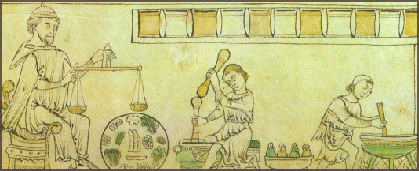 Medicines were mainly herbs, plants and roots which were concocted into new and questionable substances and were often rancid and of poor quality. Some herbs, of course, did have actual benefits and some took note of this; for instance, Nicholas Culpeper who wrote The Herbal, which described and illustrated useful herbs, like wintergreen, for example, which acted as an aspirin type pain killer.
Leeches were also commonly used to treat for clots and increased blood pressure. They can swell up to four times their body weight while drinking your blood and also while doing so will release a chemical called hirudin into your bloodstream which prevents coagulation and clotting.
Samuel Pepys himself chewed tobacco in the belief that it would prevent infections.
Advances in Medicine
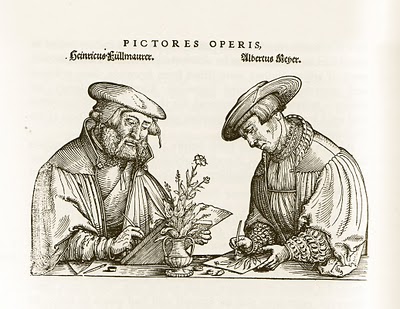 The church prohibited any dissection, making it very difficult to learn about human anatomy. Some surgeons and anatomists, though, went against the church by doing private dissections. One of these surgeons, Vesalius of Brussels, created his own illustrated medical manual, which was very useful.
Advances in medical treatment were often found while treating sailors and soldiers. For example, it was found during this time period that it was better to coat wounds in a cold lotion made of oil of the roses, egg yolk and turpentine, instead of boiling the wound in oil.